Cyber Attacks: Types, Consequences, & Prevention Measures

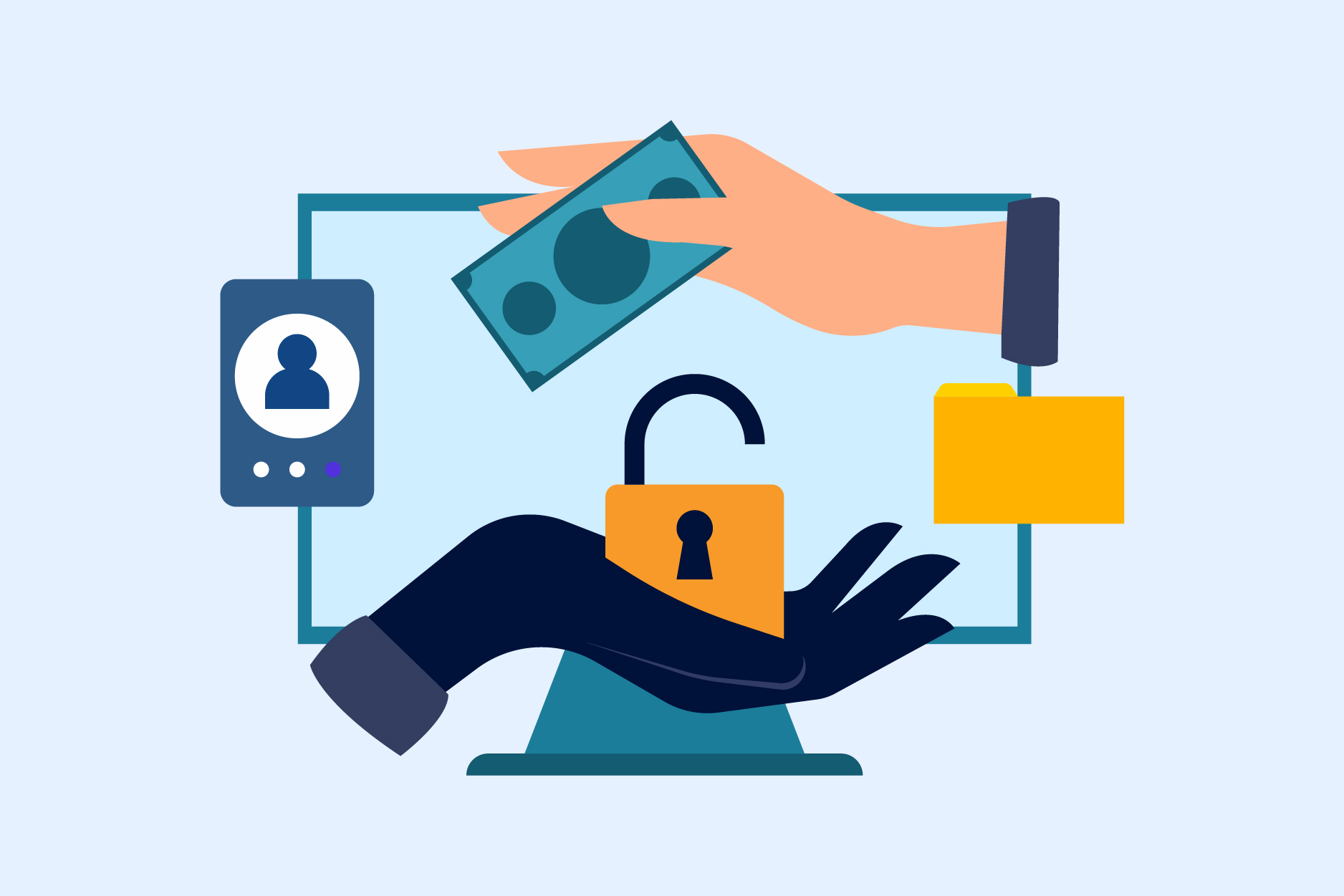
Cyberspace has become a crucial aspect of our lives in the era of technology. Our reliance on technology has increased tremendously across all sectors, from communication and banking to healthcare and transportation. However, this rapid technological development has also made us more vulnerable to a rising danger: cyberattacks. A wide range of hostile actions is included in cyberattacks, intended to compromise digital systems, data, and networks for various reasons. We will learn about the types of cyber attacks, their effects, and discuss how to defend ourselves against the developing dangers in this blog.
What is a Cyber Attack?
A cyber attack is a harmful, purposeful act directed at computer systems, networks, or digital devices to compromise, disrupt, steal, or manipulate data. They exploit technological vulnerabilities to cause harm, steal sensitive information, or gain unauthorized access. It poses substantial hazards to individuals, corporations, and governments in the digital world. To learn more about cyber attacks and how they affect organizations and individuals, you can opt for this comprehensive ethical hacking course.
Common Types of Cyber Attacks
Cyber attacks come in many forms, each designed to exploit specific weaknesses in systems and networks.Cyber attackers use increasingly sophisticated methods to steal data, disrupt services, and gain unauthorized access. Understanding the types of cyber attacks is essential for recognizing threats early and taking the right preventive measures. The following are the common types of cyber attacks:
- Malware: Malware is among the most common and widespread forms of cyber attack. The term refers to malicious software designed to infiltrate, damage, or disrupt computer systems, steal sensitive information, or gain unauthorized access. Types of malware include spyware, ransomware, Trojan horses, worms, and viruses, each designed to exploit systems in different ways.
- Phishing: A phishing attack in cyber security is when attackers use fraudulent emails, text messages, or fake websites to trick individuals into revealing sensitive information such as passwords, credit card details, or login credentials. These messages often appear to come from trusted sources, making them particularly deceptive and dangerous.
- DDoS Attacks: A Distributed Denial-of-Service (DDoS) attack occurs when cybercriminals flood a target system, server, or network with an overwhelming amount of traffic. This excessive traffic disrupts normal operations, slowing or even rendering the service unavailable to legitimate users. Attackers often use botnets, networks of compromised devices, to generate large-scale traffic and carry out these attacks.
- Man-in-the-Middle (MitM) Attacks: In a Man-in-the-Middle (MitM) attack, hackers secretly intercept communication between two parties without their knowledge. The attacker may monitor the exchange, steal sensitive information, or even alter transactions and messages. These attacks commonly occur over unsecured public Wi-Fi networks or through compromised communication channels.
- SQL Injection: In a SQL injection, cybercriminals exploit vulnerabilities in a web application to insert malicious SQL code into a database. It allows them to bypass authentication, gain unauthorized access, and steal, modify, or delete sensitive data.
- Zero-Day Exploits: A zero-day exploit takes advantage of a software vulnerability that is unknown to the vendor or has not yet been patched. Cybercriminals exploit the window between the discovery of a flaw and the release of a fix, attacking systems before developers can issue a security update. It makes zero-day attacks particularly dangerous and difficult to defend against.
Why Cyber Attacks Happen?
Cyber attacks do not happen randomly. They are usually driven by clear motives and objectives. Attackers may seek money, sensitive information, political influence, or simply disruption. Understanding why these attacks occur helps individuals and organizations anticipate risks, strengthen defenses, and respond more effectively to potential threats. Here are the main reasons why attackers conduct cyber attacks:
- Financial Gain: Many cyber attacks aim to steal money or valuable financial data. Hackers may target bank accounts, credit card details, or cryptocurrency wallets. This stolen information is used directly for fraud or sold on illegal markets for profit.
- Espionage: Some attacks are conducted to secretly obtain confidential information. Nation-states or competing organizations may steal research data, defense secrets, or business plans to gain strategic, political, or economic advantages over their rivals.
- Hacktivism: Hacktivists launch cyber attacks to support social or political causes. They often target governments, corporations, or institutions they believe act unfairly, aiming to expose information, disrupt services, or draw public attention to their message.
- Extortion: Ransomware attacks are designed to force victims to pay a ransom. Attackers lock systems or steal sensitive data and demand payment to restore access or prevent public release, putting organizations under intense financial and operational pressure.
- Disruption: Some attackers focus on creating chaos rather than on making money or stealing data. By targeting major companies, government services, or critical infrastructure, they aim to interrupt operations, reduce public trust, and cause widespread inconvenience or instability.
Consequences of Cyber Attacks
Cyber attacks can cause far more than temporary technical problems. They can lead to serious financial, operational, and social consequences that affect individuals, businesses, and even a nation. Understanding these impacts helps highlight why strong cybersecurity measures are essential in today’s digital environment. Here are the major consequences of cyber attacks:
- Financial Loss: Cyber attacks often result in significant financial losses from stolen funds, legal expenses, system repairs, and business downtime. Organizations may also face regulatory fines and compensation costs, making the overall loss much higher than the immediate financial theft.
- Data Breach: Data breaches expose confidential information such as personal details, financial records, and business secrets. This stolen data can be used for identity theft, fraud, or sold on illegal markets, causing long-term harm to both individuals and organizations.
- Operational Disruptions: Attacks such as ransomware or DDoS can shut down systems and disrupt normal operations. Businesses may lose productivity, delay services, and struggle to meet customer needs, leading to financial losses and reduced efficiency during recovery periods.
- Damage to Reputation: A cyber attack can weaken public trust and harm an organization’s image. Customers and partners may feel unsafe sharing information, while investors may lose confidence, making it difficult for the organization to maintain relationships and future growth.
- National Security Concerns: When cyber attacks target government systems or critical infrastructure, they can disrupt essential services such as power, healthcare, and communication. Such incidents pose serious risks to national stability, public safety, and a country’s ability to respond to emergencies.
How To Protect Against Cyber Attacks?
Cyber attacks are increasing in both frequency and sophistication, threatening personal data, financial information, and business operations. Today, cybersecurity is not just an IT concern. iIt is a shared responsibility for individuals and organizations alike. Taking proactive steps and implementing strong security practices can greatly reduce risks and prevent costly breaches. Here are the key measures you can take to protect your sensitive data from cyber attacks:
- Cybersecurity Awareness: Increasing cybersecurity awareness is the first line of defense against cyber threats. When people understand common attack methods such as phishing emails, fake websites, and social engineering, they are less likely to fall victim. Regular training helps users recognize suspicious links, unexpected attachments, and unusual requests. Developing safe browsing habits, verifying sources before sharing information, and staying informed about new threats can greatly reduce the chances of a successful attack.
- Strong Passwords and Multi-Factor Authentication: Using strong, unique passwords for every account makes it harder for hackers to gain unauthorized access. A good password should combine letters, numbers, and special characters while avoiding predictable information like names or birthdates. Multi-factor authentication adds an extra layer of protection by requiring a second verification step, such as a one-time code or biometric check. Even if a password is compromised, this additional barrier helps keep accounts secure.
- Software Updates: Keeping software, operating systems, and applications up to date is essential for cybersecurity. Updates often include security patches that fix known vulnerabilities hackers commonly exploit. Ignoring updates leaves systems exposed to attacks that could be easily prevented. Enabling automatic updates ensures that devices remain protected without requiring constant manual checks. Regularly updating antivirus programs and security tools further strengthens defenses against emerging threats.
- Network Security: Strong network security measures help protect data as it travels between devices and systems. Installing reliable firewalls blocks unauthorized access, while intrusion detection systems monitor suspicious activity in real time. Encryption ensures that even if data is intercepted, it cannot be read without the proper key. Securing Wi-Fi networks with strong passwords and avoiding public networks for sensitive transactions also reduces the risk of cyber intrusions.
- Incident Response Plans: Having a clear incident response plan enables organisations to respond quickly and effectively when a cyberattack occurs. This plan outlines the steps to identify the breach, contain the damage, notify relevant parties, and restore normal operations. Without preparation, confusion and delays can worsen the impact of an attack. Regular testing and updates to the response plan ensure teams know exactly what to do during a security incident.
- Regular Backups: Creating regular backups of important data is crucial for minimizing damage from cyberattacks, especially ransomware. Backups should be stored securely, preferably in multiple locations such as cloud storage and offline devices. If data is encrypted or destroyed during an attack, clean backup copies allow quick recovery without paying ransom or losing critical information. Scheduling automatic backups ensures that the most recent data is always protected.
Why Do Businesses Need Cybersecurity?
There are numerous compelling reasons why businesses require cybersecurity. Given below are some of them.
- Protection of Sensitive Data: Companies deal with a lot of confidential and sensitive data, including trade secrets, financial information, customer information, and intellectual property. Cybersecurity defends against illegal access, theft, or disclosure of this crucial data, avoiding negative financial and legal outcomes.
- Financial Loss Mitigation: Businesses may suffer large financial losses as a result of cyberattacks. Attacks by ransomware, data breaches, and other cyber disasters can lead to monetary demands, income loss due to downtime, legal costs, and possibly regulatory fines. Cybersecurity safeguards these monetary risks.
- Protection of Reputation and Consumer Trust: A cyberattack or data breach may seriously harm a company’s reputation and destroy consumer trust. Customers anticipate firms to protect their privacy and data. Reliable cybersecurity procedures help preserve customer confidence in the company.
- Compliance With Legislation: Businesses must abide by a variety of cybersecurity legislation and compliance standards. If these requirements are not met, there may be penalties and fines from the law.
- Protection Against Operational Disruptions: Malware infections and Distributed Denial of Service (DDoS) attacks are two examples of cyberattacks that can cause corporate operations to be disrupted, resulting in lost productivity and downtime. Cybersecurity aids in stopping and lessening these interruptions, guaranteeing uninterrupted corporate operations.
- Safeguarding Intellectual Property: Intellectual property is a valuable resource for companies. Patents, trademarks, copyrights, and trade secrets must be protected against theft or illegal access to preserve a competitive edge in the market. Cybersecurity aids in this effort.
- Defense Against Cyber Espionage and Corporate Espionage: To acquire important information or gain a competitive edge, nation-states and rivals may engage in cyber espionage. Such dangerous behaviors can be detected and prevented by implementing effective cybersecurity measures.
- Prevention of Insider Threats: Threats from insiders can put enterprises in serious danger, whether they are malicious or inadvertent. In order to stop data breaches or sabotage, cybersecurity technologies, and processes can help identify suspicious activity by workers or contractors.
- Protection of Supply Chain: Supply chain protection is important since many companies rely on linked supply networks. Cybersecurity measures assist in guarding against supply chain interruptions and breaches.
- Long-Term Business Sustainability: In today’s digital age, cyber risks are evolving. For a firm to sustain, cybersecurity investment is crucial. A proactive approach to cybersecurity helps keep the organization ahead of new threats.
Cyber Attack Case Studies
Numerous important cyberattacks have occurred throughout the years and affected people, organizations, and sometimes entire nations severely. Here are some of the most significant cyberattacks worldwide:
1. Stuxnet (2010)
Stuxnet, a tremendously inventive and previously unknown cyber weapon, was discovered by researchers in 2010. This sophisticated virus was designed to specifically target Iran’s nuclear program, with an emphasis on industrial control systems (ICS). It was speculated that the creation of Stuxnet was a joint effort between Israel and the United States.
It spread by infecting USB sticks due to its skilled exploitation of zero-day vulnerabilities. As a result, Stuxnet effectively damaged Iran’s nuclear centrifuges, establishing an important precedent in the field of future cyber warfare.
2. Ransomware Attack on WannaCry (2017)
A major ransomware virus infected around 200,000 systems in 150 countries in May 2017, causing substantial disruption. WannaCry ransomware took use of a Microsoft Windows vulnerability known as “EternalBlue”. This particular flaw was found by the American National Security Agency (NSA), but was later made public by a hacking group known as “The Shadow Brokers”.
WannaCry encrypted the data of its victims and then demanded a Bitcoin ransom payment for the decryption key. The attack had a far-reaching influence on different sectors, including corporations, governments, and healthcare systems, creating a lasting impression on a worldwide scale.
3. NotPetya (2017)
In June 2017, a very destructive malware attack known as NotPetya, sometimes known as Petya or ExPetr, struck with deadly effects. Initially disguised as a ransomware attack comparable to WannaCry, the underlying goal of NotPetya was to cause disruption and harm rather than monetary gain through ransom payments. To spread, NotPetya used the same EternalBlue vulnerability as WannaCry, as well as other distribution mechanisms.
The consequences of this attack were far-reaching, resulting in significant financial losses estimated in millions of euros and adversely affecting global organizations such as the well-known shipping company Maersk. The breadth and extent of the NotPetya attack demonstrated its destructive ability to impact important infrastructures and organizations all around the world.
4. Equifax Data Breach (2017)
In 2017, a major data breach occurred at one of the prominent credit reporting organizations in the United States. The cybercriminals exploited a vulnerability in the company’s website software, allowing them to illicitly access the sensitive personal information of more than 147 million individuals.
The compromised data included names, social security numbers, birthdates, and addresses, exposing the victims to the grave risks of financial and identity theft. The severity of the breach raised significant concerns about data security and underscored the importance of robust cybersecurity measures to safeguard against such incidents.
5. SolarWinds Cyber Attack (2020)
SolarWinds, a very sophisticated supply chain attack, was discovered in the late 2020. Notably, SolarWinds, a well-known vendor of IT monitoring software, was targeted by cybercriminals who successfully infiltrated its software supply chain. Following that, these malicious actors used the hacked supply chain to spread malware known as “Sunburst” or “Solorigate”.
The magnitude of the attack had far-reaching consequences, affecting countless worldwide governmental institutions, technological corporations, and other organizations. The culprits were able to secretly observe network operations and get illegal access to sensitive data as a result of this attack, emphasizing the seriousness of the cyber threat scenario and the necessity for enhanced cybersecurity measures.
Conclusion
The methods and strategies used by cybercriminals develop along with technological advancements. Individuals and organizations should take necessary precautions to defend themselves from these cyber attacks. This can be achieved by boosting cybersecurity awareness and putting effective security measures in place.
FAQ’s
Answer: A cyber attack means a deliberate attempt by hackers to access, damage, steal, or disrupt data, systems, or networks using digital methods. It can involve viruses, phishing emails, ransomware, or hacking to gain unauthorized access to systems or sensitive information.
Answer: Here are the five benefits of using cybersecurity:
– Protects sensitive data
– Prevents financial loss
– Ensures business continuity
– Builds customer trust
– Enhances regulatory compliance
Answer: If you get cyber-attacked, your data may be stolen, deleted, or locked. Systems may stop working, money can be lost, and personal information can be misused. It can also damage reputations, disrupt services, and take time and cost to fully recover.