
Android Versions List – From Version 1.0 to Android 15
| You Know? According to the report, Android has over 3.6 billion users and holds a 73.9% share of the global market. It reached the milestone of 1 billion users just a year after its launch and continues to dominate in countries like India, Brazil, and Indonesia, where its market share exceeds 85%. |
Android has changed our lives, from its inception in 2003, its first commercial release in 2008, and all the subsequent versions till today. With the latest Android version 15, the experience of using Android has only been enhanced.
Android versions have stood the test of time to be known as the most popular operating system. Throughout the years, it has been chiseled, tweaked, and refined to make it powerful and help it dominate the market. Today, Android is running on more than 3 billion active devices around the world. However, the Android we use today is far from what it was when it was introduced in 2008. In this blog, we will explore the list of Android versions and their prominent features through the years.
Android History
Andy Rubin, Rich Miner, Nick Sears, and Chris White, founded Android Inc., pitched as a game-changing project that would help in developing smarter mobile devices. Soon after, Google bought Android Inc. for USD 50 million and marketed Android as a platform for mobile manufacturing.
In 2007, Open Handset Alliance, a consortium of 82 companies was formed. It included device manufacturers like HTC, Samsung, and Motorola, network service providers, such as T-mobile and Sprint, chipset manufacturers like Qualcomm and Texas Instruments, and Google. This alliance formed the foundation on which Android was able to compete against Apple’s iPhone domination.
Since then, Android has become one of the most desirable OS in the world. All the major Android versions are named after confectionary in alphabetical order. Though this naming convention was discontinued with Android 10, the versions are still codenamed internally.
Android Version List: Android 1.0 – Android Version 17
In this Android version list, we have collated all Android version names along with the year they were released. If you wish to learn more about Android, you can check out this online Android course.
| Android Version | Android Version Names | Release Year |
| Android Versions 1.0 – 1.1 | No codename | 2008 |
| Android Version 1.5 | Cupcake | 2009 |
| Android Version 1.6 | Donut | 2009 |
| Android Versions 2.0 – 2.1 | Eclair | 2009 |
| Android Version 2.2 | Froyo | 2010 |
| Android Version 2.3 | Gingerbread | 2010 |
| Android Versions 3.0 – 3.2 | Honeycomb | 2011 |
| Android Version 4.0 | Ice Cream Sandwich | 2011 |
| Android Versions 4.1 – 4.3 | Jelly Bean | 2012 |
| Android Version 4.4 | KitKat | 2013 |
| Android Versions 5.0 – 5.1 | Lollipop | 2014 |
| Android Version 6.0 | Marshmallow | 2015 |
| Android Versions 7.0 – 7.1 | Nougat | 2016 |
| Android Versions 8.0 – 8.1 | Oreo | 2017 |
| Android Version 9 | Pie | 2018 |
| Android Version 10 | Android 10 | 2019 |
| Android Version 11 | Android 11 | 2020 |
| Android Version 12 | Android 12 | 2021 |
| Android Version 13 | Android 13 | 2022 |
| Android Version 14 | Android 14 | 2023 |
| Android Version 15 | Android 15 | 2024 |
| Android Version 16 | Android 16 | 2025 |
| Android Version 17 | Android 17 | Mid-2026 (Upcoming) |
Now we will explore each different Android version, in brief, to know better. So let’s start without further ado!
1. Android Version 1.0 – 1.1: (No Code name)
- Google released its first commercial Android version 1.0 in 2008.
- This version of Android was very basic but had Google apps like Gmail, YouTube, Calendar, Maps, Search, Instant Messaging, and many more. All of these applications were integrated directly into the Android OS.
- It also supported HTML and XHTML web pages, featured a camera, Wi-Fi, and included Bluetooth support.
2. Android Version 1.5: Cupcake
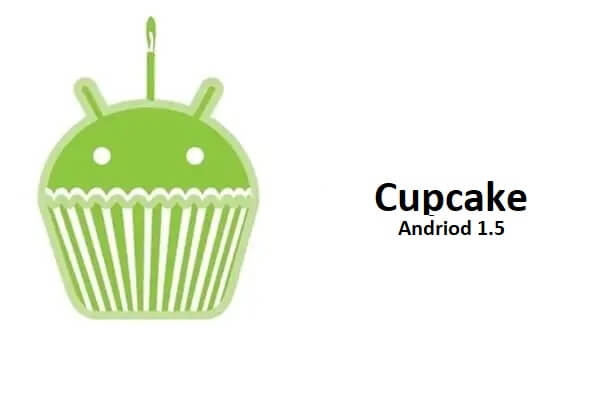
- In 2009, Android released its second major release, Android version 1.5 Cupcake.
- With this release, the tradition of naming Android versions after confectionery started.
- With Cupcake, Android introduced the first on-screen keyboard as people moved to touchscreen smartphones from keypad-style handsets.
- They also introduced a framework for third-party app widgets, which was a significant step.
- Cupcake also introduced the platform’s first-ever video recording option.
3. Android Version 1.6: Donut
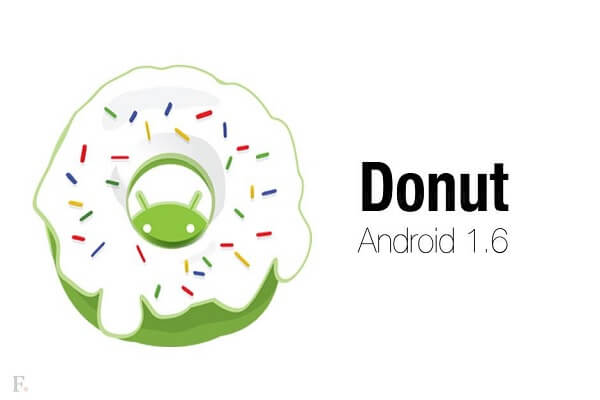
- In the fall of 2009, Android dropped its next major update, Android 1.6 Donut.
- It came out at the right time, as the world slowly transitioned towards bigger screens and resolution phones.
- Donut came with built-in support for CDMA networks, which helped Android grow quickly.
- In addition, it introduced multiple new features like voice and text entry search, bookmark history, and WVGA resolution.
- It also allowed the users to select multiple photos for deletion at a time.
Also Read: How To Become An Android Developer
4. Android Versions 2.0 – 2.1: Eclair
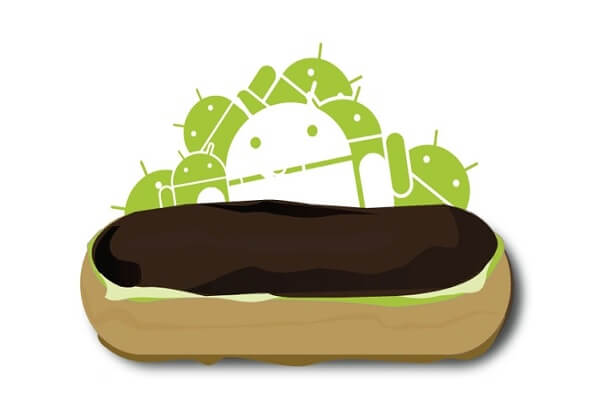
- Android 2.0 Eclair was released just six weeks after Donut.
- Android, with this version, gained widespread popularity among the masses due to the hype surrounding Motorola’s DROID phone and the marketing campaign led by Verizon.
- It introduced several key features, including SMS, MMS, voice-guided turn-by-turn navigation, real-time traffic information, pinch-to-zoom capability (which was exclusive to Apple at the time), Bluetooth 2.1, a fixed minor API, and several bug fixes.
5. Android Version 2.2: Froyo
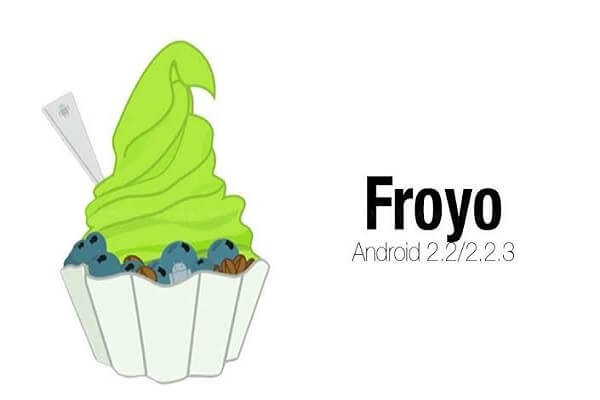
- Froyo was released four months after Eclair’s introduction.
- This version of Android primarily focused on enhancing back-end performance, improving speed, and optimizing memory usage.
- In addition, it introduced voice actions, which allowed users to perform basic functions like speaking a command, making notes, and getting directions.
- It also supported Adobe Flash, which Apple never offered to users.
6. Android Version 2.3: Gingerbread
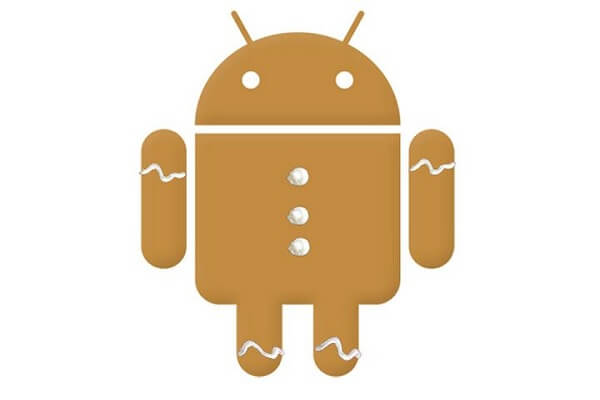
- With Gingerbread, Android began to adopt a distinctive visual design.
- For example, the Android mascot is green in color, and this version’s prominent colors were Green and Black, which were visible throughout its UI.
- In addition, Gingerbread supported an extra-large screen, a simplified interface, enhanced copy/paste functions, NFC (Near Field Communication), and a host of improvements.
7. Android Versions 3.0 – 3.2: Honeycomb
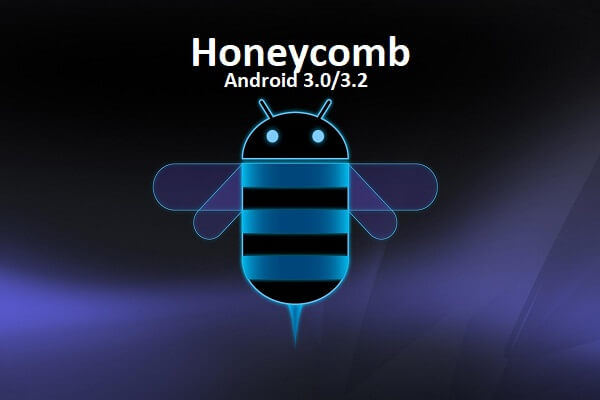
- Android released the Honeycomb version in 2011 for the first Android-based tablet, the Motorola Xoom.
- With subsequent updates, 3.1 and 3.2, the Honeycomb remained a tablet-exclusive entity.
- This was a detour for Android’s visual appeal, as this time it had a colored holographic design instead of its usual black and green combo.
- In addition, it was different, designed to make the most of the tablet’s widescreen space.
8. Android Version 4.0: Ice Cream Sandwich
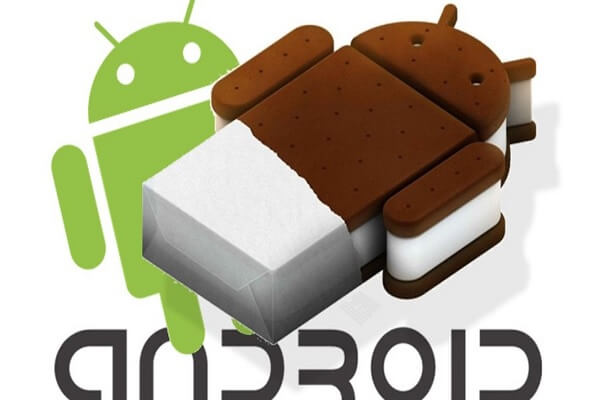
- Ice Cream Sandwich marked the entry of Android into the modern design language.
- While the Honeycomb version is considered the connection between old and new design, Ice Cream Sandwich refined all the visual elements with a single, unified UI vision that reunited phone and tablet design.
- It carried over the card-like appearance from Honeycomb and also introduced swiping, common for navigating across the OS.
- It also introduced a framework for design standardization, known as ‘Holo’, across the OS and Android app ecosystem.
9. Android Versions 4.1 – 4.3: Jelly Bean
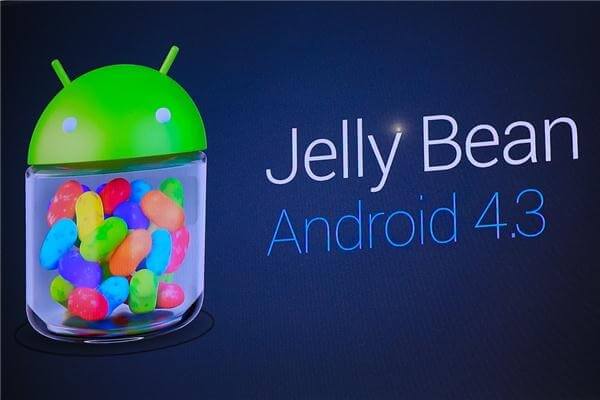
- Android Jelly Bean was introduced in 2012 and made the best impressions among new users.
- Jelly Bean was built on the foundation built by Android version 4.0.
- It polished many rough edges, making the OS more attractive and appealing.
- In addition, it improved accessibility and offered multiple features like screen lock, bug removal, 4K support, and Google Now.
10. Android Version 4.4: KitKat
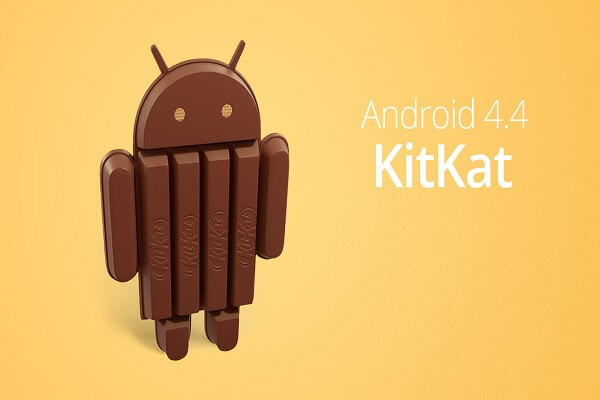
- Late in 2013, Android released KitKat.
- This Android version introduced several key features, including ‘OK Google’ support, offline music support, smart caller ID, and improved application compatibility, among others.
11. Android Versions 5.0 – 5.1: Lollipop
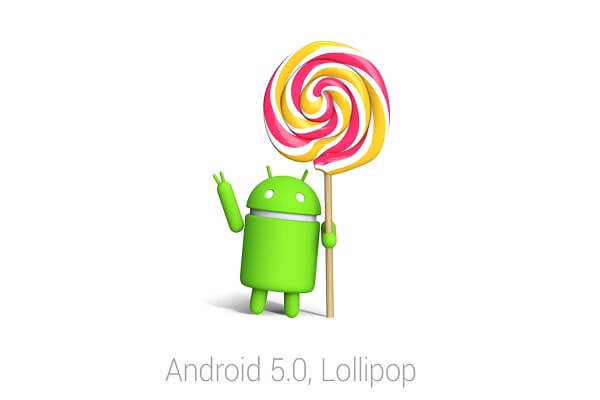
- With the version Lollipop, Android reinvented itself.
- Amongst all these versions in the Android list, it established the material design standard, which stands even today. This gave the OS a fresh and new visual look across all Android apps and even other Google products.
- Furthermore, the team maximized the usage of the card-based concept, which became a core pattern for the Android team.
- It also introduced at-a-glance access for all the notifications from the lock screen itself.
- In addition, Lollipop improved the ‘OK Google’ command support. This feature’s voice activation was extended to work even when the device’s screen was off.
Also Read: Android Architecture
12. Android Version 6.0: Marshmallow
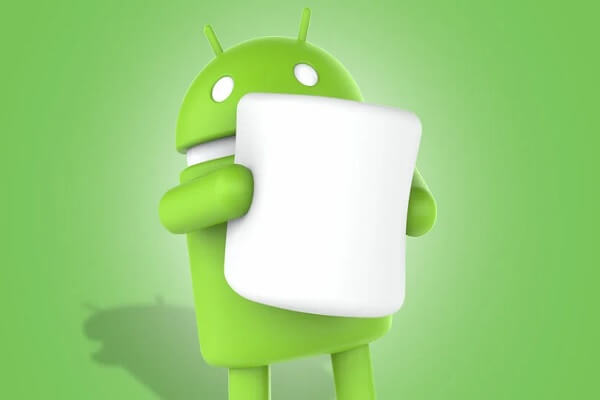
- This Android version was slightly updated when compared to the Lollipop version.
- With Marshmallow, Android started the trend of releasing a significant update per year.
- In addition, Marshmallow introduced support for fingerprint readers, USB-C, the App Standby feature, and Doze mode to save battery life, among other notable features that left a lasting impression.
13. Android Version 7.0 – 7.1: Nougat
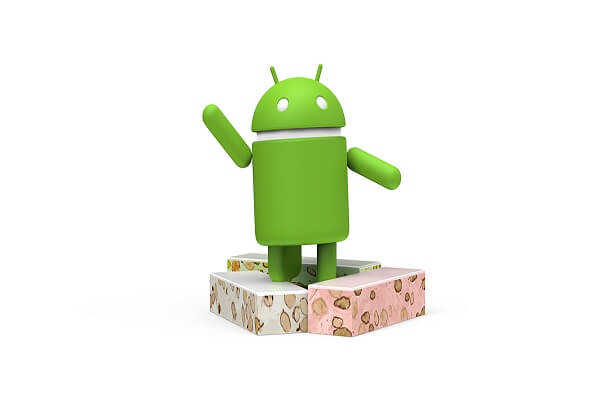
- Android Nougat is popular for releasing the Google Assistant.
- For example, they offered a range of features, including split-screen mode, a Data Saver feature, file-based encryption, battery usage alerts, and a zoom-in screen, among others.
- Google also released Pixel, its first self-made phone, along the same timeline.
14. Android Version 8.0 – 8.1: Oreo
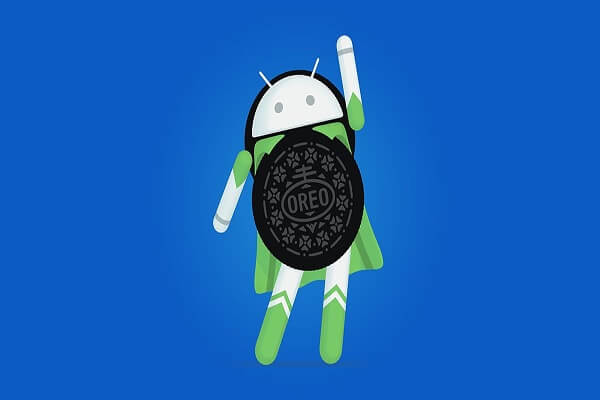
- Oreo introduced several notable features, including picture-in-picture support, adaptive icons, 2x booting speed, Google Play Protect, a notification snoozing option, and many other features.
- In addition, this Android version included many elements aligned with Google’s goal of aligning Android and Chrome OS and transforming the Chromebook user experience.
- It also contributed to Project Treble, enabling device manufacturers to offer more timely software updates through a modular base for Android’s code.
15. Android Version 9.0: Pie
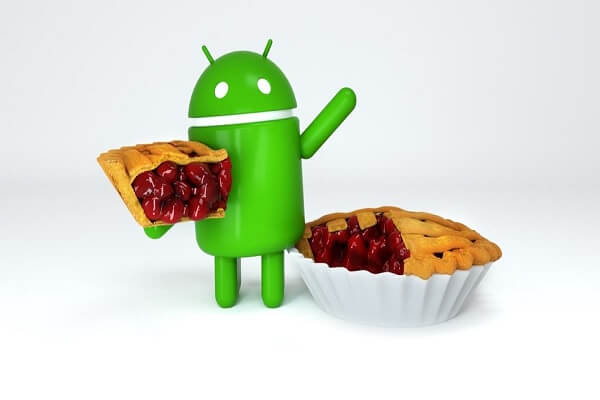
- Pie brought some fresh air to the Android mobile OS. It transformed Android, giving it a new look that makes it feel more modern.
- The most popular change was the hybrid gesture/button navigation system, which replaced Android’s Black panel for the Back, Home, and Overview keys.
- Pie also introduced many productivity features, which were missing in previous Android versions.
- In addition, it introduced many security and privacy enhancements, as well as intelligent systems to manage power and screen brightness.
16. Android Version 10
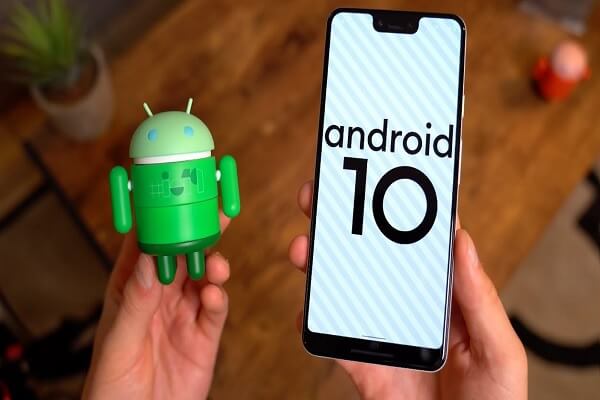
- With this version, Android dropped the naming tradition of each major release along with an item of confectionery.
- This version introduced even more visual interface upgrades for Android gestures and a swipe-driven navigation approach.
- Android Version 10 also brought several silent improvements and enhancements, including granular permissions, control over location data, productivity features, and themes across the OS.
17. Android Version 11
- Android 11 was released during the COVID-19 pandemic in September 2020.
- It offered a substantial Android update visible on the surface, along with more back-end improvements.
- Privacy was a primary concern for mobile users across the globe. Android 11 addressed it appropriately and brought in a slew of privacy-enhanced features. For example, it introduced more granular app permissions that users can limit.
- In addition, it simplified all the panels and introduced conversation-style notifications, native screen-recording features, and connected-device controls.
18. Android Version 12

- In 2012, Google released Android 12.
- This version was primarily focused on surface designs.
- Android 12 completely transformed the standard to create something known as Material You, a very visually customizable Android version.
- It also renewed its focus on widgets, other improvements, and easy accessibility with separate AI sections to function independently.
19. Android Version 13
- Android 13 is a stable OS launched in 2022 with a new interface design for handheld devices.
- While the version also lays the foundation for multipurpose products, it geared up for bigger screens and resolutions, which ultimately appeared on the Google Pixel tablet.
- This OS version has made strides in improving security, privacy, and performance.
20. Android Version 14
- The name of the latest Android version is Android 14.
- It aims to provide rich camera and media experiences with Ultra HDR, lossless USB audio, and more camera extensions.
- Android users can further personalize their apps with features such as per-app languages, predictive text, grammatical inflection, regional preferences, and more.
- Android 14 also comes with Health Connect (for health and fitness insights) and Credential Manager (to simplify sign-in).
21. Android Version 15
- This version is set to launch in the fourth quarter of 2024 with several new features and enhanced capabilities.
- A developer version was released in February, with a second version scheduled for release in March.
- This will be followed by the release of Beta versions from April to August.
- The preview includes SDK and tools, APIs, system images, and Flash-to-OTA updates for Google Pixel.
22. Android Version 16
- The latest version release as of 2025 is Android 16.
- This version focuses on enhancing multitasking, accessibility, user privacy, performance, and device compatibility.
- Key new features include Live Activities in notifications, improved support for larger screens and foldable devices, and advanced camera capabilities such as refined exposure and HDR controls.
- It has ‘Advanced Protection Mode’, which strengthens user security, improves data privacy, and offers enhanced accessibility options for individuals with hearing or vision challenges.
- Android 16 continues Google’s commitment to delivering a smarter, more secure, and seamlessly connected experience across all devices.
23. Android 17 (Upcoming)
- As of October 2025, Android 17 is the upcoming Android release, anticipated for mid-2026.
- While official details are limited, early insights suggest a focus on enhancing AI integration, foldable device support, and battery optimization.
- With the growing popularity of foldable devices, Android 17 aims to provide better support and optimization for these devices, ensuring a seamless user experience.
- Anticipated improvements in battery management to extend device usage and enhance power efficiency.
Conclusion
Android has evolved significantly through the years from its initial phases to becoming one of the most notable operating systems today. The list of Android versions provided in this blog shows that it has changed the way we interact with digital devices and made it easy for users to understand the interface.
Have you checked out the preview for Android 15 yet? Share your thoughts on the new Android version with us in the comments below. Also, check out how to become an Android Developer to pursue a professional career in this domain.
FAQs
Yes, Android 13 is the latest version.
According to Google, a smartphone would require at least 2GB RAM and 16 GB of storage to run Google applications.
If you already have a phone that is running Android 9 then it is fine, but it is recommended that you upgrade to the latest version immediately for better security and features.
Android 14 is called the Upside Down Cake. This name is the internal code name because Google has stopped the convention of naming Android versions after desserts from Android 10 onwards.
Google has rolled out a developer version or preview of Android 15 and will release two more versions in February and March of 2024. Android 15 beta version will be available for users in April, with the final version released in the fourth quarter of 2024.
Yes, Android 14 is better than 13 because it comes with multiple new features and enhancements, such as a customizable lock screen and 200% font scaling. Additionally, Google has announced 7 years of regular updates on Pixel 8 devices.
The most recent stable version of Android is version 16, which was released in June 2025. Android 16 includes improved privacy controls, enhanced multitasking capabilities, advanced features for the camera, and better support for large and foldable screens.
There have been 16 full versions of Android released since its inception with Android 1.0 in 2008, up to the current Android 16 version in 2025.
No. The release of Android 17 is pending. The first Android 17 developer preview is expected to be released in November of 2025, with a stable Android 17 release in June of 2026.
The ‘best’ Android version depends on what features in a mobile are most important to you. Most people consider Android 16 the best, due to its cutting-edge features, robust security, and superior performance. For others, looking for stability can use Android 15, 14, or 13.
Sources
- https://www.demandsage.com/android-statistics/